
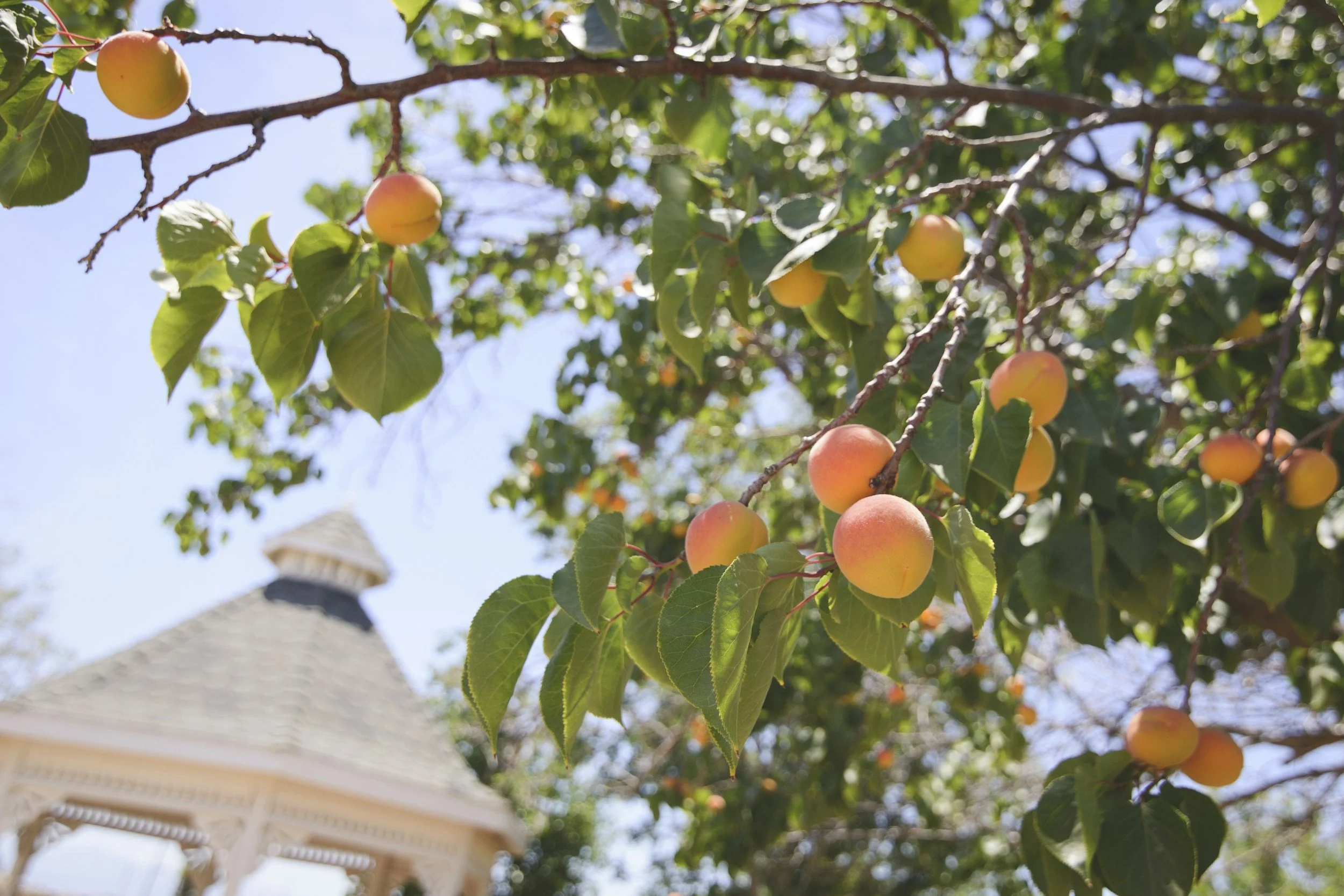
There is a professor at Syracuse University who created something remarkable. On a single tree, he grafted 40 different varieties of stone fruit. Peaches, plums, cherries, and nectarines all grow from one trunk. But here is the fascinating and sobering detail about that tree: if you let the original rootstock grow unchecked, its natural shoots will steal every nutrient, consume every resource, and eventually choke out every single grafted branch. To keep the tree producing its remarkable variety of fruit, the caretaker must constantly, consistently prune away what grows naturally.
That image is one of the most honest pictures of the Christian life you will ever encounter.
James 1:21 lays out what is perhaps the simplest and most demanding blueprint for spiritual growth ever written. It comes down to two movements, two directions, two commitments. Out with the bad. In with the good. Simple to say. Extraordinarily difficult to live.
The Problem With Going Natural
James calls believers to rid themselves of "all moral filth and the evil that is so prevalent." The phrase moral filth in the original Greek points to something specific: the basest of human instincts. What comes naturally to a person operating out of a sin nature. Not the dramatic, headline-grabbing evil we tend to picture, but the everyday, unchecked impulse to put ourselves first.
Think about what happens when a hurricane threatens a coastline. Ordinary, reasonable people flood grocery stores and load shopping carts with every bottle of water on the shelf. One person, acting out of pure self-preservation, leaves nothing behind for anyone else. Nobody would say out loud that their water stockpile matters more than their neighbor's thirst. But actions tell a different story than words. When we operate purely from instinct, from that unexamined, unrestrained natural self, what spills out of us is not pretty.
James also warns against what older translations call "superfluity of naughtiness," a phrase that sounds almost whimsical but carries serious weight. The word superfluity comes from the image of a river that has overrun its banks, flooding everything around it. And the word translated as naughtiness here describes a deliberate, self-chosen willingness to do wrong in order to get what we want. Put those together and you get an overflowing abundance of wickedness that does not stay contained to one person. It floods out. It soaks the people around us.
Here is the honest truth: you have had someone else's unchecked wickedness flood into your life. And if you are willing to sit with that reality for a moment longer, you have also been the flood. Hard days do not excuse us from the call to live differently. They reveal what we are actually filled with.
The Power of Meekness
Before James tells us what to receive, he tells us how to receive it. He says to humbly, or with meekness, take in the implanted word. And meekness is one of the most misunderstood words in all of Scripture.
Meekness is not weakness. It is not being a doormat. It is not the absence of strength or conviction or will. Meekness is power under control. It is the conscious, deliberate choice to restrain what you are capable of because you know there is a better way.
Jesus demonstrated this perfectly. Hanging on the cross, he was taunted by those who challenged him to call down angels and rescue himself. He could have. The power was there. But he knew the Father's plan required something greater than a display of force. It required grace. And because of that restraint, because of that meekness, thousands heard the gospel just days later and were transformed. What is more powerful than power? Power under control.
This is the posture we are called to bring to God's Word and to the world around us.
What Gets Grafted In
James calls believers to receive the implanted, or engrafted, word. That word carries two layers of meaning that are both essential.
The first is the Word as a person. In John 1, the Gospel opens with the declaration that in the beginning was the Word, and the Word was with God, and the Word was God. This is Jesus Christ himself. To receive the engrafted Word is first and foremost to begin a transformational relationship with him. It means turning away from the direction we were heading and turning toward him. It means admitting we are sinners, believing that Jesus died on the cross as the only sufficient payment for sin, and committing to him as Savior and Lord.
At that moment, something irreversible happens. We are justified. We receive the righteousness of Christ credited to our account. Paul captures it in Galatians 2:20, where he describes no longer living for himself but Christ living in him. The transformation of the Christian life is not becoming a better version of yourself. It is learning, day after day, how desperately you need Christ, and choosing to lean on him rather than your own instincts.
The second layer is the Word as Scripture. The Bible is not casual reading material. It is not a box to check in the morning. It is the living, inspired, preserved Word of God, profitable for doctrine, for correction, for instruction in righteousness, as described in 2 Timothy 3:16. When we receive it with humility, when we allow it to actually reshape how we think and act and respond, it does something remarkable. It saves our soul, not only in the eternal sense, but in the sense of rescuing who we were made to be.
The Fruit That Follows
Here is what changes when the natural branches are pruned and the engrafted Word is allowed to grow: instead of overflowing with impatience, bitterness, self-interest, and wickedness, we begin to overflow with love, joy, peace, patience, and kindness. These are the very things the world is most desperately hungry for and least able to find.
No election, no policy, no cultural shift will produce those fruits. Only Christ, received with humility and lived out daily, can do that.
The call is not complicated. It is just costly. Out with the bad. In with the good. Prune what grows naturally. Tend what has been grafted in. And watch what God grows.
Watch the sermon here: https://youtu.be/xdf1dtjMaQc?si=rJCzzEUK66LuYlQd&t=1273